Resonance: Canto ostinato

The concert program consists of the famous work by Dutch composer Simeon ten Holt, Canto Ostinato (1976–1979), one of the most significant works of European minimalism. It is a deeply atmospheric and captivating musical experience, with strong elements of repetition and freedom in its interpretive approach.


Exploring the myth in three continents

A unique evening of chamber music bridges six corners of the world, some of which often remain unexplored in concert halls. Heitor Villa-Lobos’s Quinteto instrumental showcases the explosive rhythm and colors of the Brazilian tradition, while Maurice Ravel creates textures full of transparency and orchestral virtuosity. Australian composer Melody Eötvös creates a fantastical landscape, drawing inspiration from a Norwegian collection of myths—the same one that inspired Henrik Ibsen to write Peer Gynt. The Italian Dario Argentesi chooses to compose a serenade for an imaginary country, Babkhuzia. Finally, Fratres by the Estonian Arvo Pärt is one of the most iconic examples of minimalism in classical music.


The Art of Conversation

The program “The Art of Conversation” presents 18th-century chamber music and highlights the dialogue between the instruments of the Baroque era. Works by Telemann, Zelenka, Janič, and Vivaldi combine the flute, oboe, violin, the bassoon, and the harpsichord into expressive musical dialogues. The compositions alternate between lyrical melodies, vivid rhythms, and virtuosic passages, thus revealing the richness and the elegance of the Baroque style. Through sonatas, quartets, and concertos, the audience is taken to the world of 18th-century European music, where collaboration among musicians and the balance of timbres are fundamental elements of artistic expression.


Memory and Continuity

In the final years of the 19th century, Russian music took on a deeply personal and confessional tone. Both Tchaikovsky’s Trio and that of Arensky -for whom the former served as an important mentor- represent the composers’ creative “responses” to the loss of loved ones. Composed just twelve years apart, these two works seem to converse within a shared memory space. They are not only tributes to loved ones but also links in a living artistic continuity - a “relay” from one creator to another, from one generation to the next. The coexistence of the two trios in the same program highlights this deep relationship of influence and continuity, offering the audience the opportunity to experience two of the most significant and moving chapters in Russian chamber music.


Modernism and Tradition

The program showcases distinctive voices of the 20th century, highlighting the richness and dynamism that characterize the unique combination of clarinet, violin, and piano. Each work sheds light on different cultural and aesthetic aspects, ranging from lyricism and national identity to neoclassicism. Overall, the program traces a colorful musical journey through the 20th century, highlighting the expressive flexibility and intercultural richness of the trio for clarinet, violin, and piano.


Beyond the limits

To mark the 200th anniversary of Ludwig van Beethoven’s death, this performance of his masterful String Quartets No. 14 and No. 9 serves as a true tribute to a composer who redefined the boundaries of music; a music that, two centuries later, continues to illuminate the deepest aspects of human soul. Placed in this order, these two works seem to trace a reverse journey: from final confession to victory. From the inner contemplation of a man standing on the threshold of the end, to the indomitable power of a creator conquering the world. Together, they form a stirring musical arc that reveals not only Beethoven’s evolution but also his spiritual greatness.


The Music of Hesperides

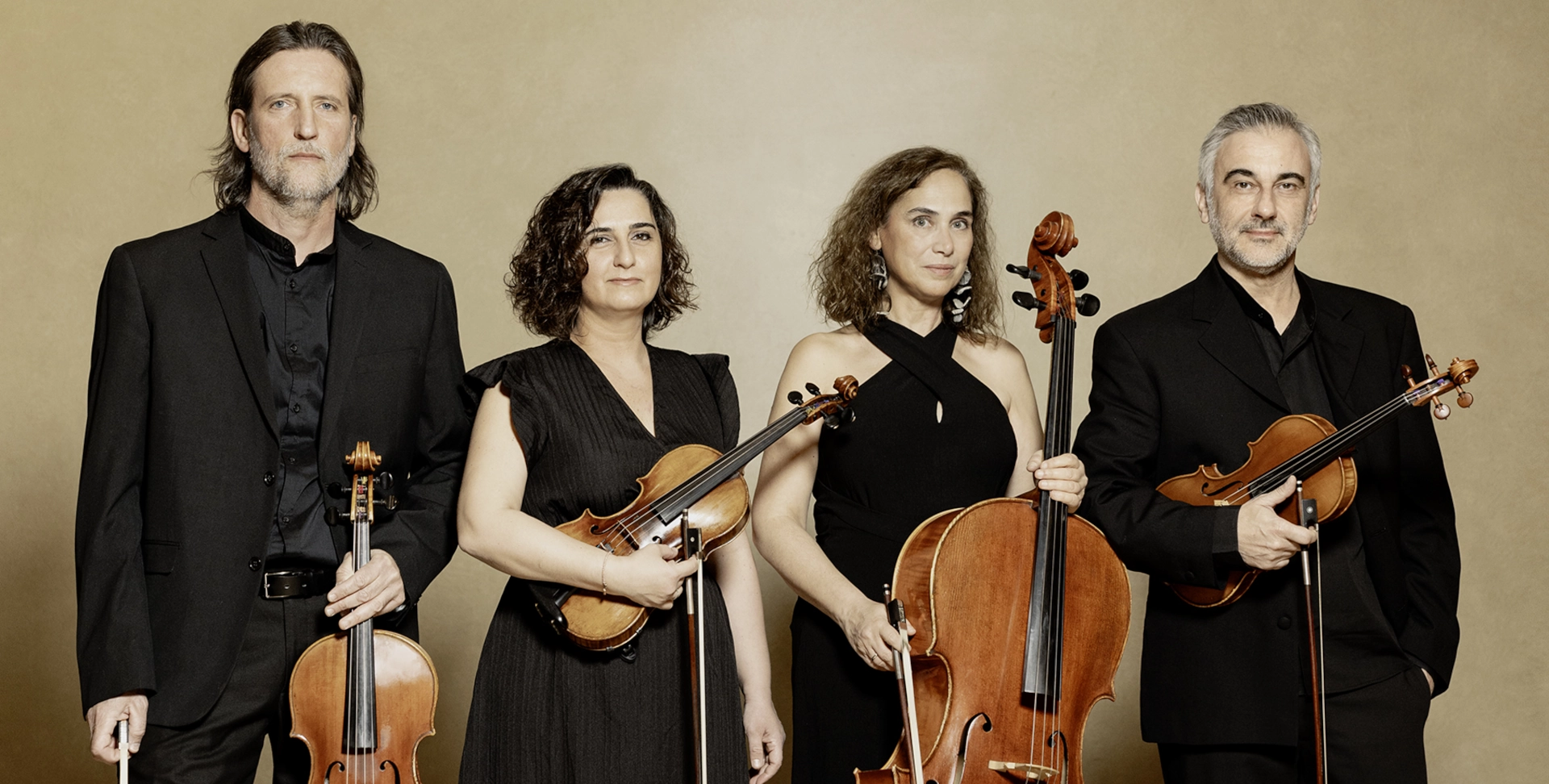
The tetARTon string quartet presents a program comprising three works from different aesthetic worlds that converge in America - not merely as a geographical location, but as an idea, an experience, and a memory. The European musical tradition meets the American one and returns renewed by drawing inspiration from it and inspiring it in turn. Once again, music turns from a bridge of sounds into a bridge of cultures.


The Magic Flute tells a story...

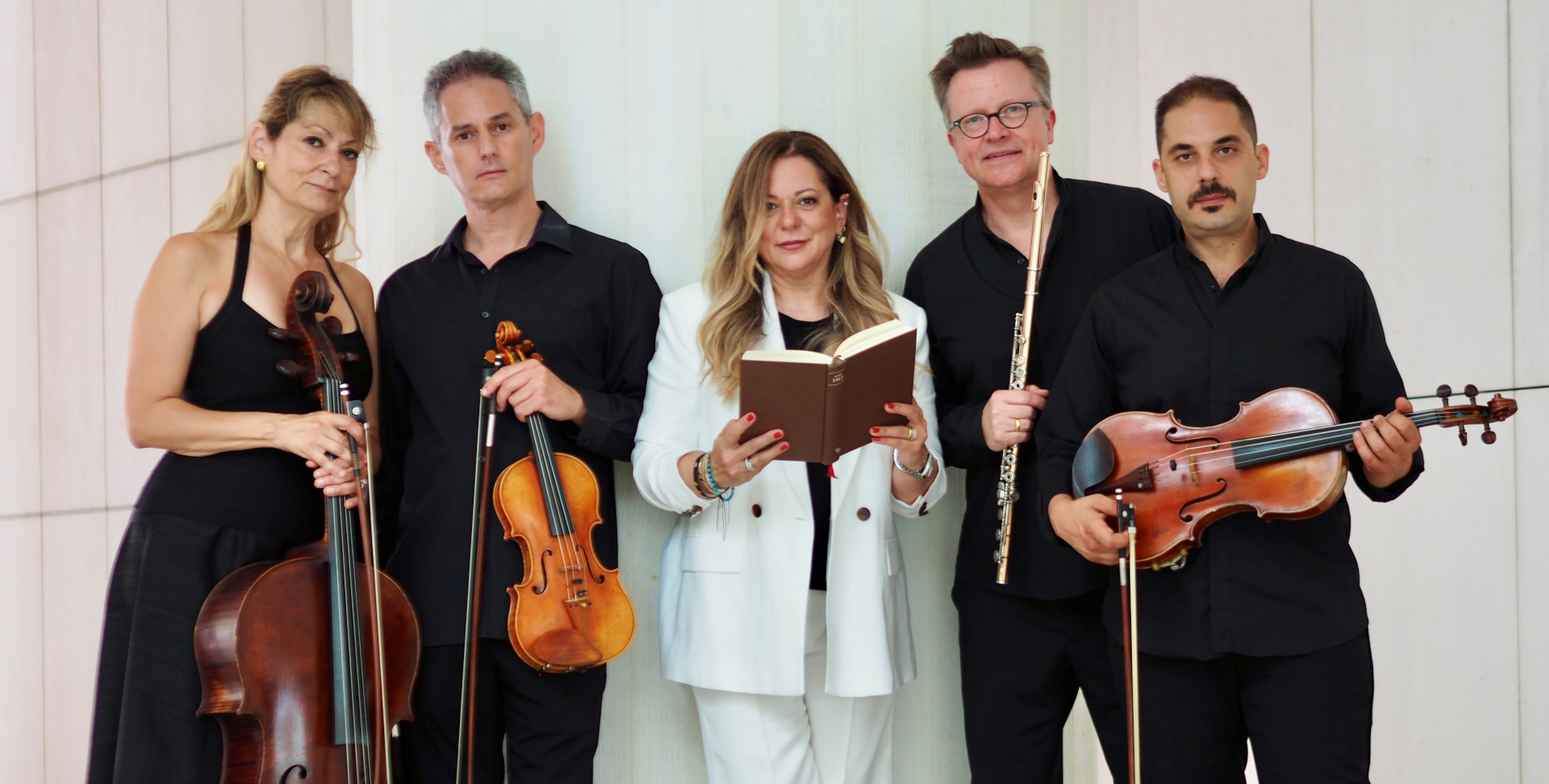
The Magic Flute tells a story...The chamber music concert “The Magic Flute Tells a Story…” presents Wolfgang Amadeus Mozart’s famous opera in a unique, adapted format for flute quartet with narration. Franz Heinrich Ehrenfried’s arrangement offers the audience a more intimate and direct way to experience the work; narration ties together the story plot, while music highlights the emotions and characters. Tamino, Pamina, and the magic flute take listeners on a journey full of adventure, love, and the quest of truth. This specific version brings the opera closer to listeners of all ages.


The Rhythms of South America

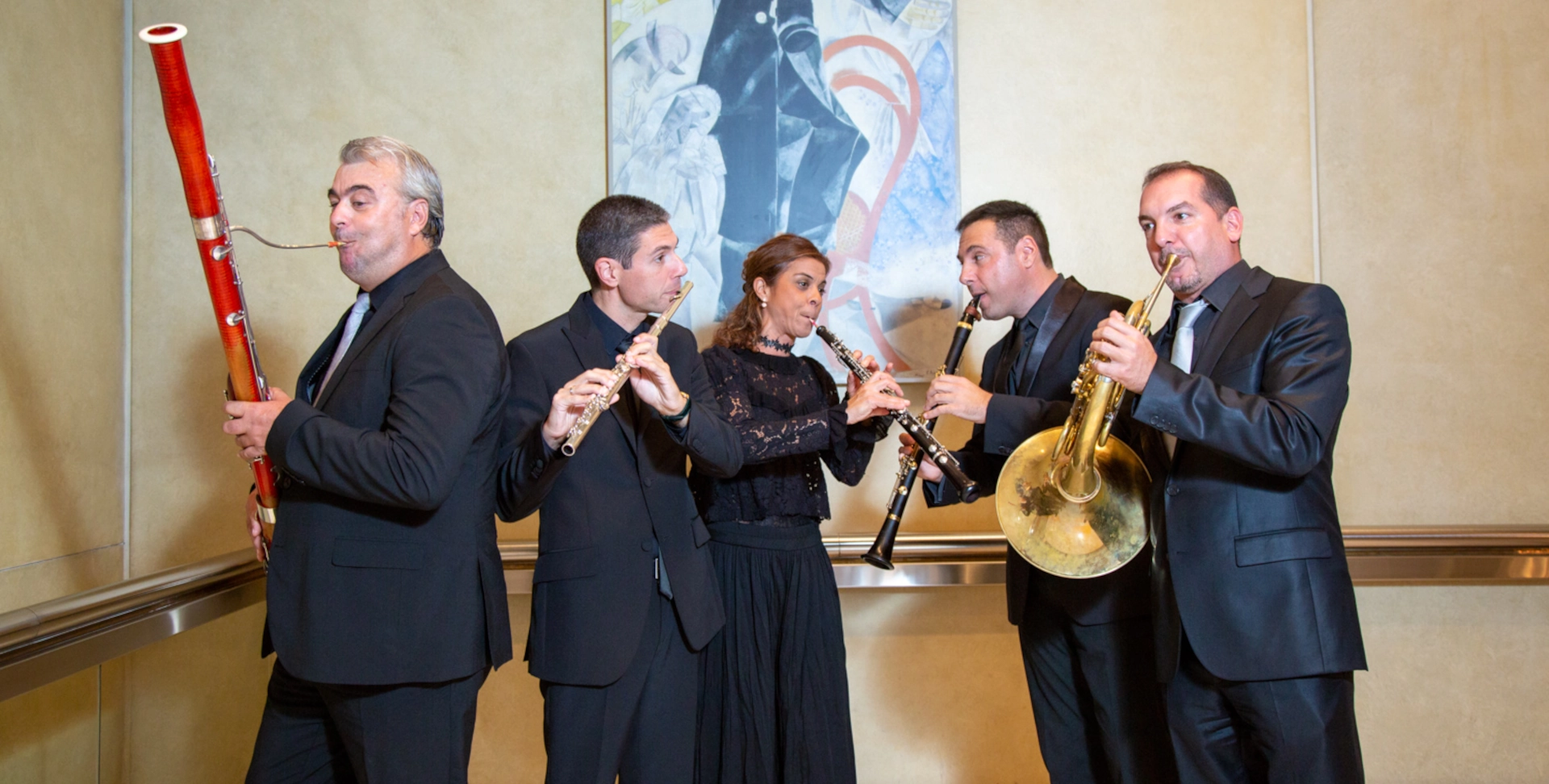
The Athens State Orchestra Woodwind Quintet invites the audience on a musical journey full of passion, color, and vitality, centered on the musical tradition of South America. An evening brimming with melodies, rhythm, and emotion, takes us on a journey to this enchanting musical landscape, where Brazilian vitality meets the nostalgic charm of the tango, highlighting the unique musical identity of an entire continent.


Dark Stories

The double bass, the largest among the string instruments, is the quintessential orchestral instrument. Its primary role in music is to support harmony and accompany the higher voices. However, this is not its only mission; its deep, harmonically rich sound and wide range serve as a ground for other roles as well. The audience is invited to explore together with the original double bass quartet “Bass-Euphoria” the different facets of this marvelous instrument –that has remained for centuries in the melodic shadow of other instruments– turning it into a brilliant protagonist.